Can I Make My Own Embossing Stamp?
Many people enjoy personalized items, allowing them to have their names or favorite designs imprinted on their beloved objects, giving them uniqueness. Just like custom-made clothes and hats, some book lovers want to leave their own mark on their books. Therefore, they want to DIY their own embossing stamps.

Can I make my own embossing stamp?
Yes, you can make your own embossing stamp. To create your own personalized book embosser, you need to choose professional tools. How do you choose the right embosser? We need to consider three main factors:
1. Book embosser design
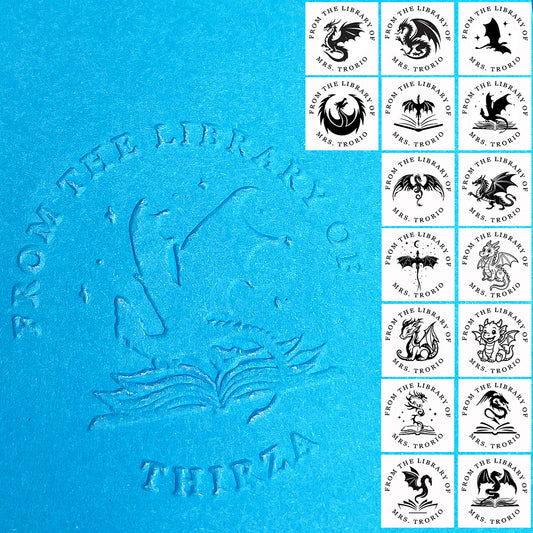
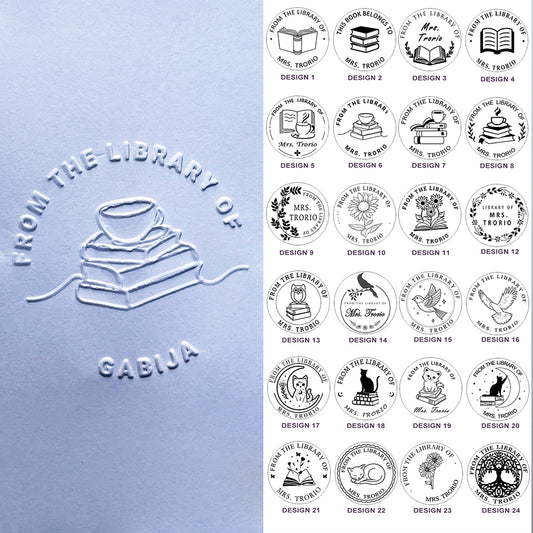
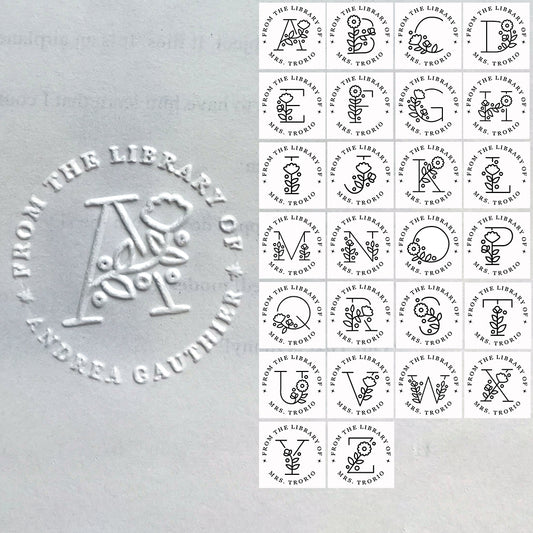
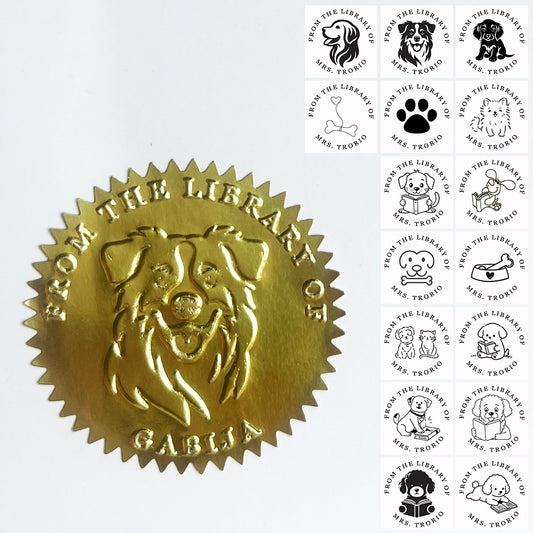
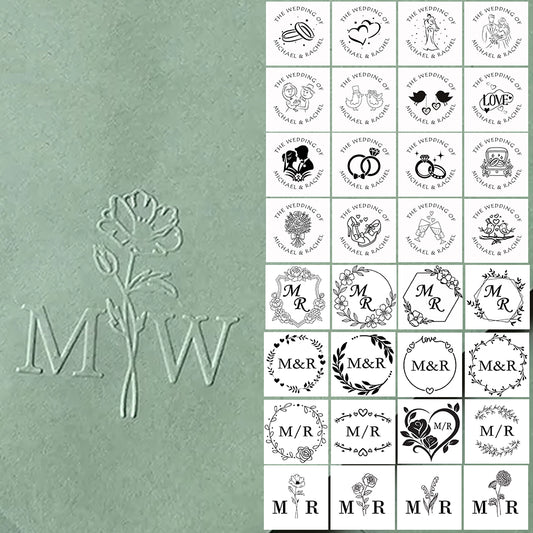
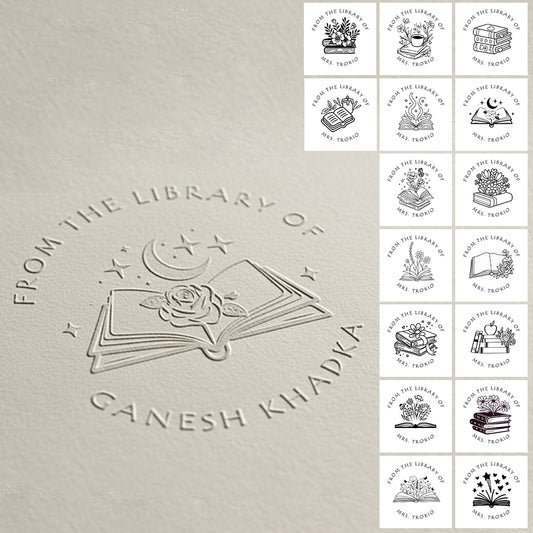
Design is the most crucial first step in the entire customization process. It directly determines the quality of the final embossing and the unique sense of ownership. First, you need to calmly conceive the effect you want: Do you want to engrave a classic English cursive surname, creating a retro library feel? Or design a simple, modern layout that includes your name and a favorite quote? Or perhaps you'd like to create a unique symbol, such as an owl, a lighthouse, or a family crest?
Once you've finalized your idea, you'll need to use professional vector design software (such as Illustrator's AI format or Photoshop's high-resolution PSD files) to precisely sketch it out. At this step, pay close attention to line thickness: if the lines are too thin, the embossing after engraving on the copper mold may be unclear; while appropriate white space and negative space design will make the embossing effect more artistic.
2. Choosing the Right Embossing Stamp
After completing the exquisite design engraving, the next step is to choose a suitable custom library embosser. Currently, the mainstream embossers mainly fall into two classic styles to meet different usage scenarios:
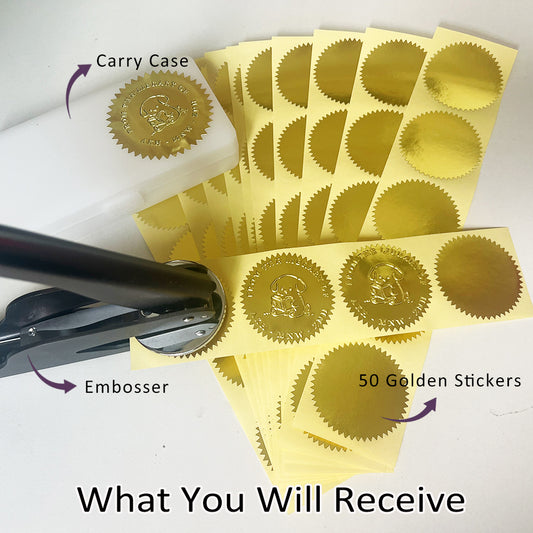
The first is the handheld embosser. This design is the most classic and portable, with an overall size comparable to a pair of pliers, making it easy to hold and operate. It's perfect as a travel stamp to carry around, or as an ideal embossing tool for standard-sized books. Whether used to stamp on the title page or for signing notebooks and letters, it handles the task with ease and takes up minimal space when stored.
The second type is the desktop embosser. This one is larger and more robust, typically placed on a desk or countertop. Its biggest advantage is its longer lever arm and greater pressure, providing stronger leverage. Therefore, it can easily press thicker and harder materials, such as hardcover book covers, thick cardboard folders, or leather covers. If you need to handle a large number of heavy embossing tasks, the desktop version is a more labor-saving and durable choice.
Choose the one that best suits your needs based on the thickness of the items you emboss and your usage habits.
3. Die Material: POM vs. Copper Plate
Polyoxymethylene (Delrin): This is currently the industry standard material for high-quality embossing dies. As a hard and durable thermoplastic engineering plastic, Delrin has excellent compressive strength and toughness, and will not break or crack under repeated stamping, perfectly maintaining extremely fine engraving details. It's ideal for CO2 laser engraving, resulting in sharp edges and a mirror-like surface. The finished product is lightweight, has a warm feel, and will never rust. For professional applications that demand high detail and everyday use, this is my top recommendation.
Copper Sheet: As a classic choice for traditional embossing die, brass or copper sheets are renowned for their exceptional hardness and metallic texture. Copper molds, made through laser etching or chemical etching processes, can support extremely fine lines and text, producing clear, three-dimensional imprints with a unique metallic luster. Copper molds are extremely durable, reusable for decades without deformation, making them particularly suitable for embossing applications requiring a sense of solemnity, classic beauty, or use on harder materials like leather covers. The only drawback is that they are slightly heavier than POM and more expensive.
Turning Your Design into Reality
After conceiving your design and selecting your preferred mold material, it's time to witness the magic: transform your design into a unique embossed stamp in your hand. You can find numerous vendors offering customization services by searching "personalized embosser stamp" on global craft platforms like Etsy or Amazon. Of course, if you prefer a more convenient one-stop experience and strict quality control, you are welcome to visit our official website: TRORIO.COM. There, you can easily upload your designs, choose your favorite styles and materials, and let this unique mark elegantly appear at your fingertips.