How to Declutter Books for Book Lovers?
As a book lover myself, I completely understand your complex feelings towards books—they are not just objects, but carriers of memories, knowledge, and emotions. Therefore, organizing your books should not be a cold, ruthless decluttering, but rather a warm and nostalgic ritual.
When your collection grows large, organizing becomes a headache. With limited space, how can you treat your books like old friends and give them a comfortable and enjoyable organization?

Mental Preparation—This is not simple cleaning, but a selection of gems.
Before we begin organizing, let's agree on a mindset. Don't imagine this as a painful "spring cleaning," but rather as an opportunity to showcase your beloved library.
The goal of organizing is not to keep the fewest books, but the most meaningful ones: our aim is not to achieve a minimalist approach with only ten books, but to ensure that every book on the shelf is a good book that resonates with you and is valuable to you. Let your bookshelf truly reflect your taste and soul.
Remember, letting go of a book does not negate its value, nor does it betray the book-loving self. It simply means that, at this stage, your connection with this book has temporarily ended, allowing it to go to someone who needs it more—a different form of fulfillment.
Practical Application—A Deep Dialogue with Each Book
Okay, now roll up your sleeves, make a cup of tea, put on some music, and let's officially begin. Please be sure to take all the books off the shelf and pile them together. This process is very impactful, giving you a direct sense of the scale of your book collection.
Then, pick up each book, and feel it deeply, asking yourself the following questions:
1. "Would I read/use it again?" (A rational question)
This is the most crucial question. Be honest with yourself and give your inner answer.
For novels: What insights did this novel offer me? What impact did it have on me? Do I still have the desire to reread it?
For non-fiction and reference books: Is the knowledge inside outdated? Or can I find more up-to-date information online? Does it still directly help my current work or hobbies?
For books that I "may read someday": How long have I been waiting for that "someday"? 1. If you haven't touched it for over a year, it's highly likely that "that day" will never come. Let it go, and let yourself go too.
2. "Does it move me?" (An emotional question)
Hold the book in your hands, feel its cover, its paper, and its weight. Does it stir up ripples of joy, or leave you feeling calm or even a little pressured?
Moving you: It might be the beautiful binding, the familiar scent, or the impact it once had on you. Keep them; they are the spirits of your bookshelf.
Not moving you: It might be a dry, boring textbook, a disappointing bestseller, or a book in poor condition that detracts from its appearance. Thank them, and then let them go.
3. "Does it represent a certain stage of my past?" (A question of memory)
Many books carry our youth and memories. For example, university textbooks, romance novels from a certain period, or training manuals from a former company.
Solution: Create a special, limited-size box for "souvenir" books. You can keep one or two that best represent that time, instead of all of them. Let memories condense, not be submerged by the past.
4. "Will someone need it more than I do?" (The Question of Passing Down)
This makes "letting go" powerful. Imagine:
Could this collection of postgraduate entrance exam practice questions help a younger student who is struggling?
Could this parenting encyclopedia be given to a friend who just had a baby?
Could this exciting mystery novel allow another reader to enjoy the pleasure of solving a puzzle?
Letting books circulate is giving them a second life.
Categorization—Giving Books a Gentle Home
After the above soul-searching questions, you should have three piles of books around you: those you keep, those you give away, and those whose fate is uncertain.
For the "keep" books:
Categorize and shelve: You can arrange them by genre (literature, history, social sciences), by author, or even by color (if you prioritize aesthetics). Find the method that feels most comfortable and convenient for you to find what you need.
Create a "Reading Zone": Designate a small area for newly purchased and soon-to-be-read books, controlling the number and encouraging yourself to finish reading before buying new ones.
For "Giveaway" Books:
Donate: Local libraries, charities, and rural primary schools are excellent choices.
Resell: On secondhand platforms, your books can find new owners, and you can even recoup some money to buy new books.
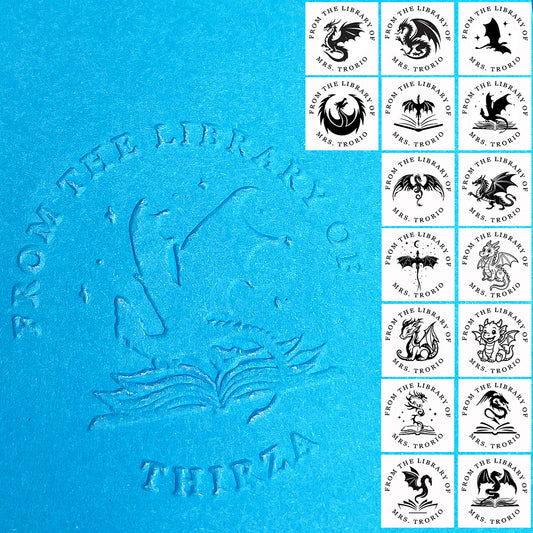
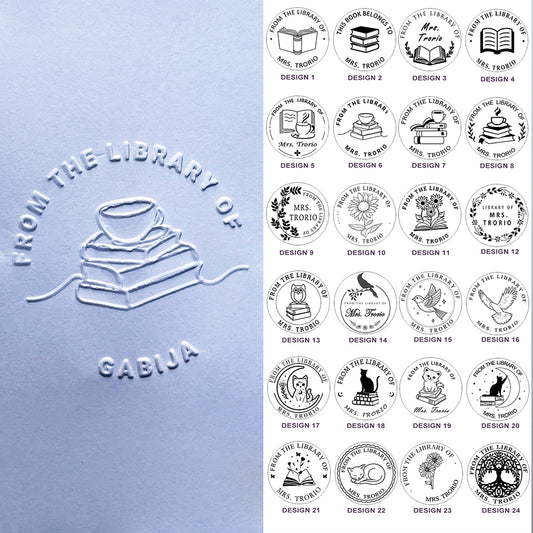
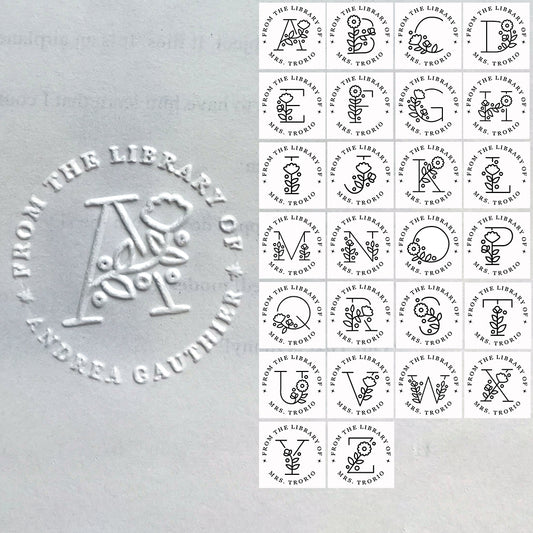
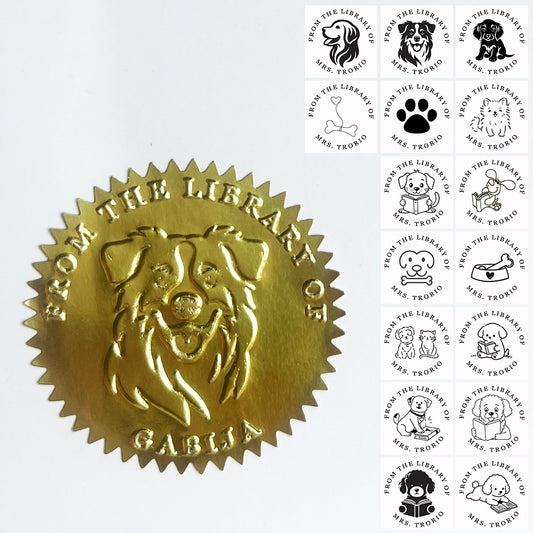
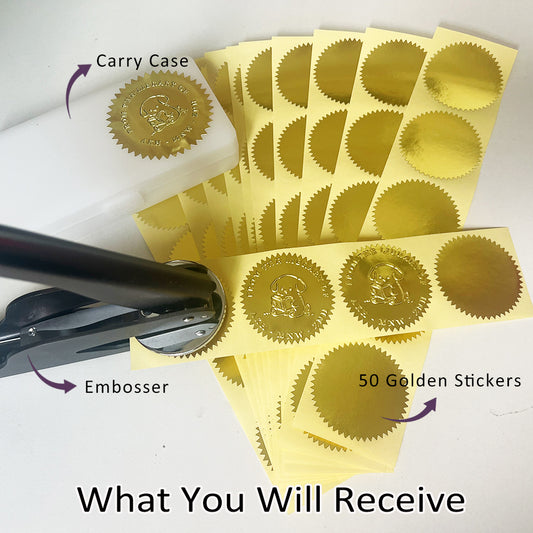
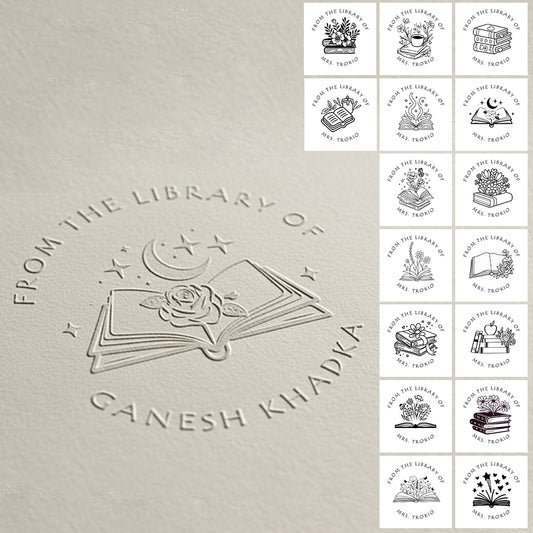
Share with Neighbors and Friends: The joy of sharing is doubled. Create your own little library in your own neighborhood. Use a custom book embosser stamp to personalize your library, letting borrowers know the book belongs to you and returning it after reading.
Direct Recycling: For truly old, damaged, and unwanted books, simply throw them in the recycling bin without hesitation. Don't feel guilty.
For "Uncertain" Books (the most difficult to handle!):
Set Up a "Cooling-Off Box": Find a large, opaque cardboard box, put these "unwanted" books inside, seal it, and write the date on the box. Store it under your bed or in a storage room.
Set a deadline (e.g., 6 months or 1 year). When the deadline is up, if you haven't even thought about opening the box to find a particular book, congratulations! You can donate the entire box without hesitation, without even opening it again. Because you know there aren't any books you truly need inside.
Routine Maintenance – Make Organizing a Habit
Organizing isn't a one-time thing; books are constantly being added to the box. Establish a few small habits to avoid falling into chaos again:
The One-in-One-out Principle: For every new book you buy, consider giving away an old one. This will make you more discerning when buying books, only buying what you truly love.
Regular Shelf Inspections: Every quarter or every six months, spend an hour browsing the bookshelves to see if any "missed items" are no longer suitable to keep.
Electronic Alternatives: For some highly informative books that you don't necessarily need a physical copy, consider buying an electronic version to save a lot of space.
Finally, I want to say that the ultimate goal of organizing books for book lovers is to help you enjoy your time with books even more. A well-maintained bookshelf is not a cold display case, but a vibrant spiritual corner that belongs only to you. Here, every book is a companion you have personally chosen, and everything you see brings joy.