Choosing a custom book embosser is essentially finding a "word engraver" who can faithfully express your sentiments. Whether it's stamping your name on a treasured book or selecting a unique inkpad as a gift for a friend, a suitable embossing machine can transform flat paper into a three-dimensional masterpiece. Faced with a dazzling array of options on the market, from basic models to advanced personalization, there are several key dimensions to carefully consider.
Desktop vs. Handheld Embosser: Usage Scenarios Determine the Choice
The first step in choosing a personalized book embosser is to define its primary usage scenario, which directly leads to the two main categories: desktop and handheld.
Desktop embossers are typically the first choice for craftspeople and professional users. They feature a sturdy base and a long, vertical or horizontal handle, designed for stable placement on a table. This design offers a decisive advantage—maximum and most even embossing pressure. Utilizing leverage and the machine's own weight, desktop embossers can easily handle thicker paper (capable of pressing up to 350 grams), ensuring every imprint is clear, deep, and sharp-edged. For users requiring high-volume production or pursuing the ultimate professional effect, this stability and pressure output are non-negotiable.
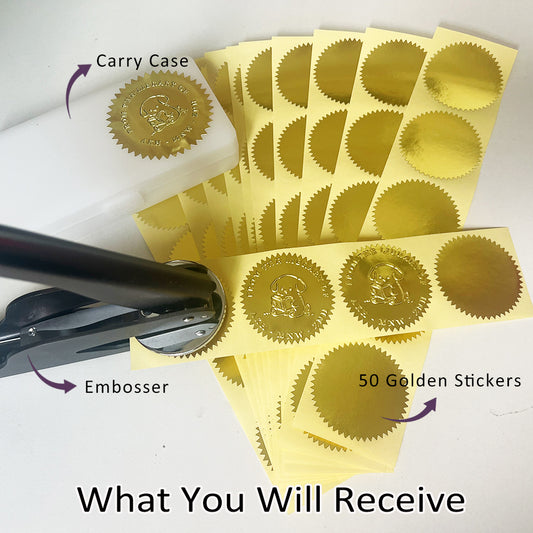
Handheld embossing machines are compact and can easily fit into a bag or pocket, allowing for embossing anytime, anywhere (capable of embossing thicknesses up to 200 grams). However, this portability sacrifices some pressure output. Since it relies entirely on hand grip, its performance on thicker paper may not be as good as desktop models, and the embossing effect may vary slightly depending on the pressure applied each time. It is more suitable for occasional use or for leaving marks on lightweight paper in outdoor or mobile settings.
Paper Thickness Compatibility: From Light Letter Paper to Heavy Cardboard
Paper is the stage where the best custom book embosser works its magic, and different paper thicknesses place drastically different demands on the embossing machine. This is an easily overlooked but crucial aspect when purchasing.
Before choosing an embosser, you must consider the types of paper you primarily work with. Is it thin letter paper, ordinary notebook pages, or thick greeting cards and certificate covers? Each embossing machine has its recommended paper weight compatibility range. Using a machine with too much pressure on paper that is too light may tear the paper; while using an embosser with insufficient pressure on paper that is too thick will only produce a faint, blurry mark.
For example, some small tools specifically designed for cutting and embossing recommend a paper thickness roughly equivalent to two sheets of copy paper. Embossing stamps for books, specifically designed for creating 3D patterns, explicitly state that they are suitable for cardboard weighing approximately 300 grams. If you plan to use it on paper of varying thicknesses, look for machines with pressure adjustment features, or learn some tricks—such as inserting a folded cardstock to increase the overall thickness when handling thin paper, to achieve a clearer print without damaging the paper.
Personalized Names and Custom Logos: Creating a Unique Imprint
The core of making a custom library embosser truly "mine" lies in its customization capabilities. This is more than just engraving your name; it's a visual representation of your personal brand or style.
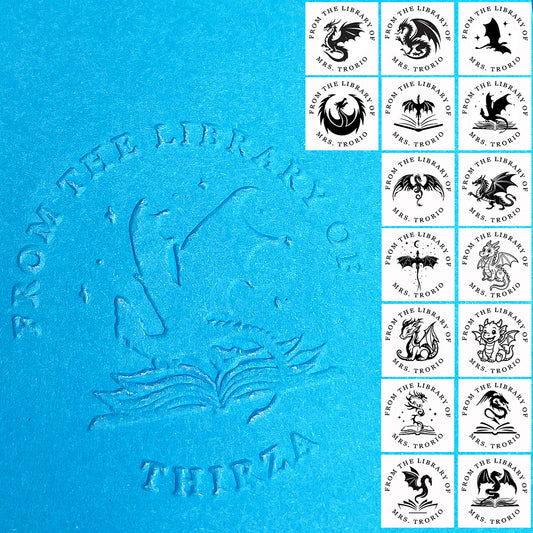
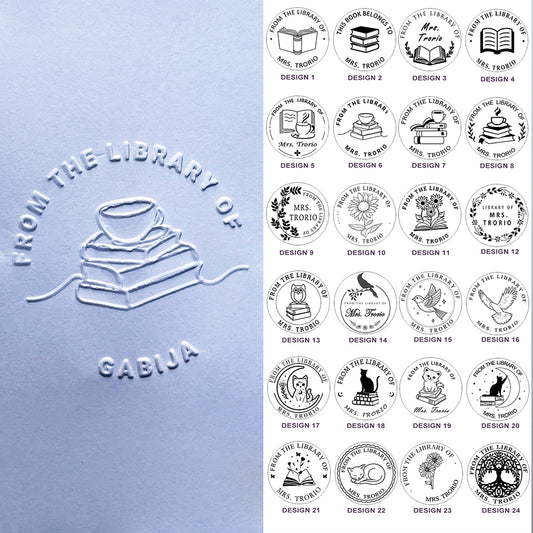
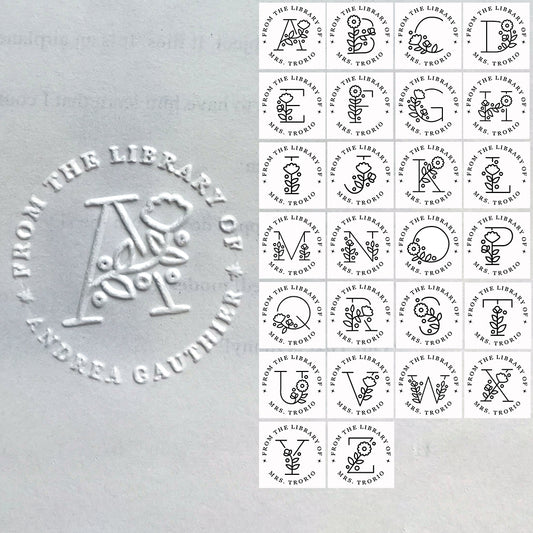
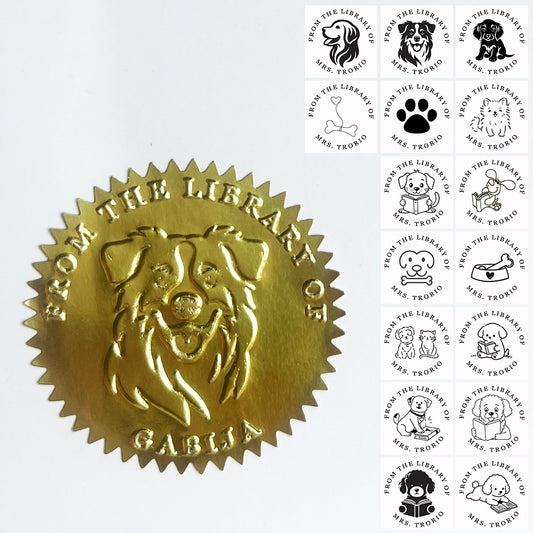
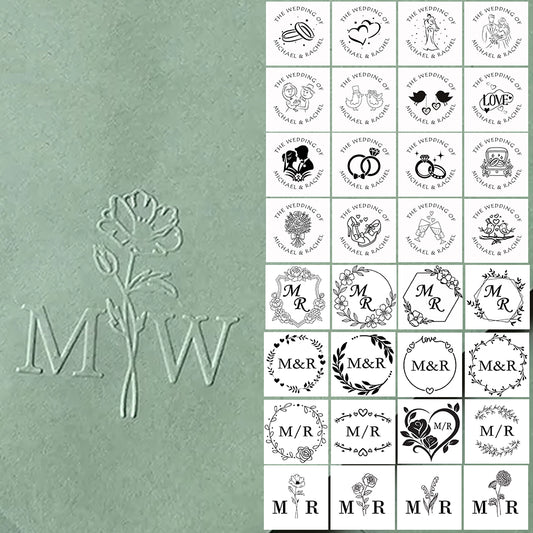
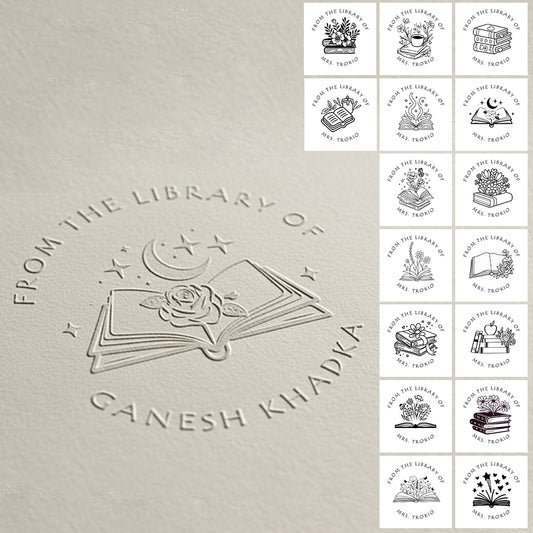
Modern custom embosser manufacturers typically offer in-depth mold engraving services. You can upload your own high-resolution signature, hand-drawn designs, brand logos, or even specific calligraphic fonts. The craftsman will then reverse-etch these elements onto the metal mold. When you emboss, these designs will be perfectly presented on the paper in a three-dimensional, raised form.
Gift vs. Professional Use
Embosser machines can be used for both gift making and professional office applications. The requirements for the machine differ significantly between these two uses.
If the primary purpose is gift making, such as books, wedding invitations, birthday cards, handmade photo albums, or botanical specimens, you might prioritize the machine's versatility and design. In this case, an embossing machine with interchangeable pattern dies is more appealing. You can change the dies to add flowers, borders, or specific patterns to suit different holidays and themes, giving each piece a personalized touch.
However, for professional use, such as document verification in law firms or notary offices, or document archiving in companies, the core requirement shifts to rigor, consistency, and authority. In this case, you need a robust, durable desktop machine with ample pressure. The embossed text must be clear, neat, consistent in depth, and tamper-proof, serving as an anti-counterfeiting and authentication tool. The machine's durability and long-term stability are far more important than its aesthetic design.
Stamp Size Options: From Tiny Space to Vast Expanses
Ultimately, the size and shape of the embossed design directly determine the boundaries of your creativity.
Handheld embossors have a diameter of 40mm, and the design should be simple; otherwise, the pressing effect will be poor. Desktop embossors have a diameter of 50mm, and the design can be more complex; more complex designs will result in a clearer press.
How to choose a custom book embosser? By outlining the five aspects above, this guide aims to help you find the key to perfectly imprint your sentiments on paper.