Library Embossers: History & Evolution Explored

Exploring the History of Library Embosser Stamps
Libraries are centers of knowledge and history, and vital spaces for communities. Have you ever wondered what tools silently maintain the order and identity of these vast collections of books? The library embosser is one such tool. This article will introduce you to the history and development of library embossers, and the important role they play in the world of books.
What is a Book Library Embosser?
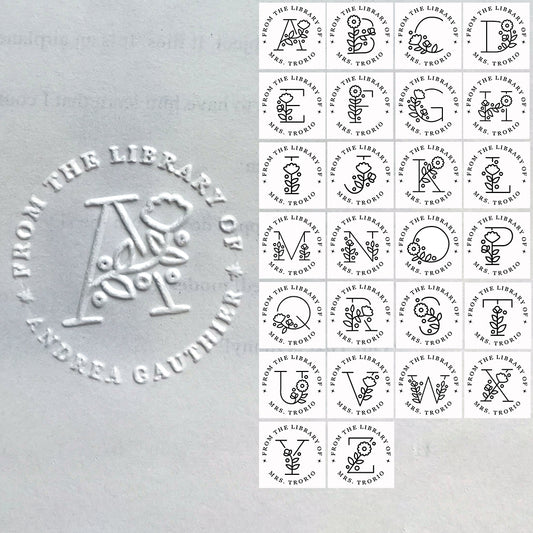
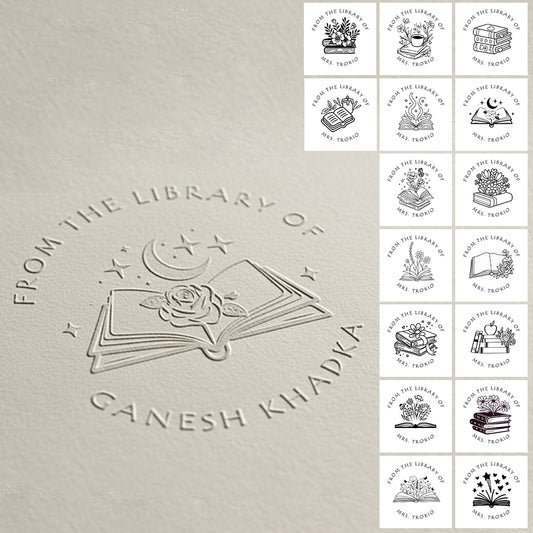
A library embosser is a tool used to press a seal or mark onto the pages of a book. This mark often says "From the library of" followed by the library's or an individual's name. The goal of this mark is to identify the owner of the book and prevent theft or loss. It's a discreet yet effective way to claim ownership.
The Early Days
The use of embossers in libraries dates back to the 19th century. During this time, libraries began to expand rapidly, and with the increasing number of books, there arose a need for a system to manage and identify them. The custom embosser was a perfect solution, as it provided a way to mark books without damaging them.
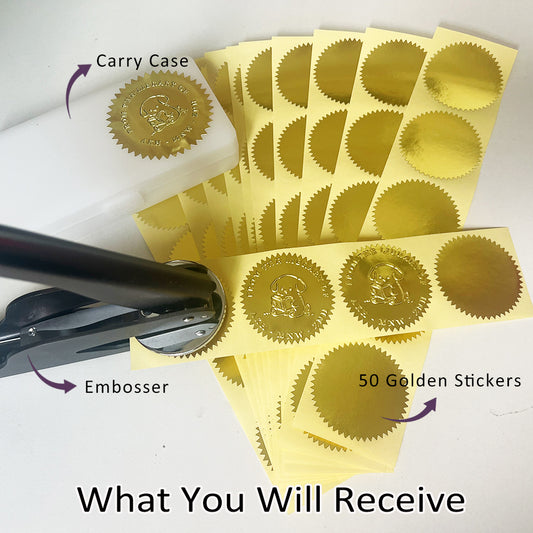
The first library embossers were manually operated devices, similar to a notary seal press. They were made of metal and required the user to apply significant pressure to imprint the seal onto the page. Despite their simplicity, these early embossers were highly effective.
Evolution of the Custom Library Book Embosser
As technology advanced, so did the design and functionality of library embossers. By the mid-20th century, embossers had become more sophisticated and easier to use. The introduction of electric embossers allowed for quicker and more consistent imprints, making them a popular choice for larger libraries with extensive collections.
Modern Library Embossers
Today, library embossers are available in a variety of styles and designs. From hand-held models to large, automated machines, there is an embosser to suit every library's needs. Modern embossers can be customized with intricate designs, logos, and even unique fonts, providing a personalized touch to each book.
The Importance of Embossers in Libraries
Library embossers play a crucial role in the preservation and management of book collections. They serve as a visual reminder of a book's origin and can help trace its history and provenance. This is particularly important for rare or valuable books, where documentation of ownership can add to their value and significance.
Embossers as a Deterrent
In addition to marking ownership, embossers also act as a deterrent against theft. A book with an embossed mark is less likely to be stolen, as the mark can be difficult to remove without damaging the book. This added layer of security is vital for libraries looking to protect their collections.
The Art of Embossing
While the primary function of a library embosser is practical, it also holds an artistic element. The design of an embosser can be a reflection of the library's identity and values. Many libraries take pride in their unique embossing designs, which can range from simple text to intricate logos and symbols.
Customizing Your Paper Stamp Embosser
Customization is a key aspect of modern embossers. Libraries and individuals can choose from a wide range of options to create a design that is both functional and aesthetically pleasing. This personalization not only enhances the appearance of the books but also strengthens the library's brand and presence.

How to Choose the Right Embosser
When selecting a printing machine for your library, consider the following key factors: the number of books in your collection, your customization needs, and your budget. Most importantly, choose a machine that truly meets your needs and consistently maintains the quality of your collection's signage.
Key Considerations
Book Collection
If your collection is large, an electric or automatic printing machine can significantly improve efficiency.
Signage Design
Choose based on your customization requirements. Different models offer varying degrees of design freedom; some support more flexible graphics or text.
Budget Range
Printing machine prices vary considerably. It is recommended to choose a stable model that meets your core needs within your budget.
Hopefully, these simple suggestions will help you make the right choice.
Conclusion
The history of library printing presses is a microcosm of the gradual evolution of library management tools. From early simple manual operation to today's advanced and sophisticated equipment, printing presses have consistently played a crucial role in maintaining the integrity and uniqueness of collections. Whether you are a librarian or a passionate book collector, understanding the significance of printing presses can help you gain a deeper appreciation for these indispensable tools.
Even as libraries increasingly move towards digitalization, printing presses continue to symbolize tradition and history. They connect us to the past and silently support the future of books.