Basic Classification and Characteristics of Seals
In modern society, despite the increasing prevalence of digital signatures, physical seals and stamps still play an indispensable role in legal, business, and daily life. From traditional copper seals to high-tech self-inking stamps, modern stamps come in a wide variety of types, each with its own unique characteristics. This article will provide a comprehensive overview of the main types of modern stamps and their features, helping you make an informed choice based on your specific needs.

Trends in the Development of Seals
With technological advancements, modern seals are evolving towards greater convenience, environmental friendliness, and personalization. The application of automatic self-inking systems and pre-inked technology has significantly improved the ease of use of seals; the use of environmentally friendly materials reduces the environmental impact; and technologies such as laser engraving make personalized customization much easier.
Although electronic signatures are becoming increasingly common, physical seals still play an irreplaceable role in identity verification and document authorization. Especially in East Asian cultures, seals are not only practical tools but also symbols of power and responsibility.
Basic Classification and Characteristics of Seals
Self-Inking Stamps
Self-inking stamps are high-end stamps with a sophisticated structure. They have a built-in ink pad, and when used, the stamp automatically flips and covers the ink pad, resulting in clear impressions and a stable structure. These stamps are sturdy and durable, easy to refill, and the ink pad can be replaced. Their convenience and durability make them popular with banks, hospitals, and other service-oriented institutions.
When using self-inking stamps, it is recommended to use original water-based ink for refilling, and to apply even pressure to avoid damaging the stamp holder. This type of stamp represents a practical innovation in modern stamp technology.
Pre-Inked Stamps
Pre-inked stamps come with their own ink, are easy to use, and can be refilled repeatedly. They are suitable for various departmental stamps, such as invoice stamps, contract stamps, business stamps, customs declaration stamps, and other work-related stamps. These stamps are characterized by their durability and are suitable for frequent use in daily office environments.
Copper Seals
Copper seals are made of copper or copper alloy, which is hard, durable, and resistant to deformation, ensuring a long lifespan. Traditional wax seals used copper seals to create various patterns, which were then pressed into beeswax. Copper seals are particularly suitable for important documents and legal papers that require long-term preservation.
Horn Seals
Horn seals are hard, durable, and produce clear impressions, making them suitable for official seals. However, horn material has the characteristic of thermal expansion and contraction, which may lead to errors. Boxwood and ox horn are natural stamp materials; it is best to package them with the stamp to avoid excessive shrinkage due to exposure, which can lead to cracks or deformation and affect printing quality.
Atomic Stamps
Atomic stamps are made from materials invented by SC Johnson in 1972 and are one of the most widely used stamps in commercial activities. They feature a beautiful appearance, clear impressions, are easy to carry, and are fade-resistant, lasting for over 36,000 uses. They are suitable for various departmental stamps, such as invoice stamps and contract stamps, but not for bank stamps.
Photosensitive Stamps
Photosensitive stamps are made by laser printing and then directly exposing the image onto a photosensitive material, followed by the application of ink. The imprint is stable and preserves the original lines of the document, making it suitable for pattern stamps, cartoon stamps, and signature stamps. This is a more durable self-inking stamp, therefore also suitable for stamps with high usage.
The refill ink for photosensitive stamps must be of the same brand as the original ink; otherwise, improper ink use may damage the stamp. In addition, the material cost of photosensitive stamps is slightly higher than that of ordinary engraved stamps, but photosensitive stamps are environmentally friendly, easy to use, and avoid the limitations of ink pads.
Self-inking Copper Stamp
The self-inking copper stamp is an improved product of the self-inking stamp, consisting of a self-inking stamp holder and a copper plate. It overcomes the shortcomings of self-inking stamps, such as the rubber easily deforming and expanding after long-term use, and the disadvantages of copper stamps being inconvenient to carry and having unclear imprints. The self-inking copper stamp has the clear imprint and portability of self-inking stamps, and also the characteristic of copper stamps that do not deform even after long-term use.
If the self-inking copper stamp is damaged, only the stamp holder needs to be replaced, not the entire stamp. It is especially suitable for official seals, financial seals, and other stamps that require long-term use.
Embossing Stamp
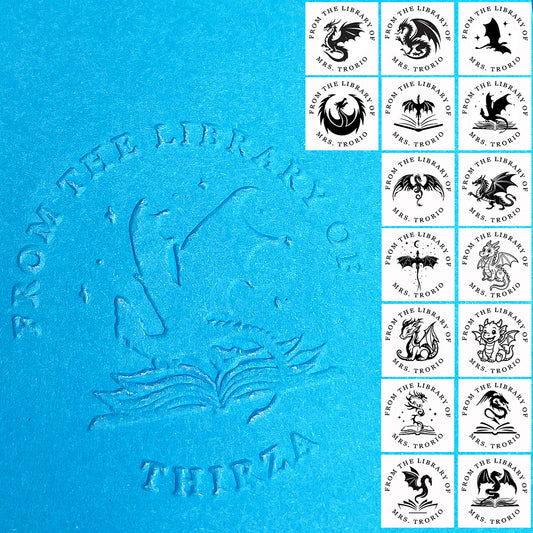
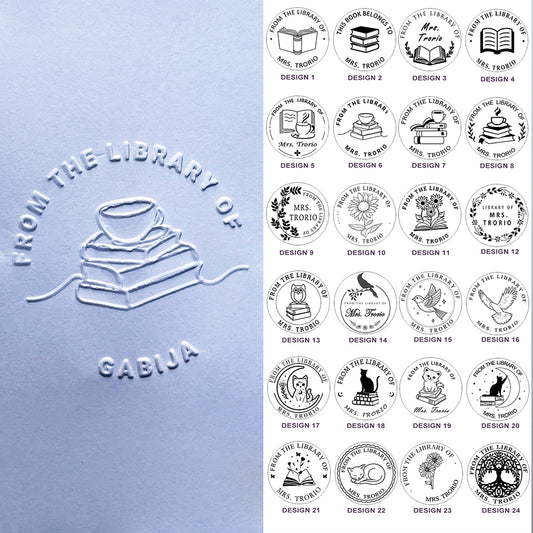
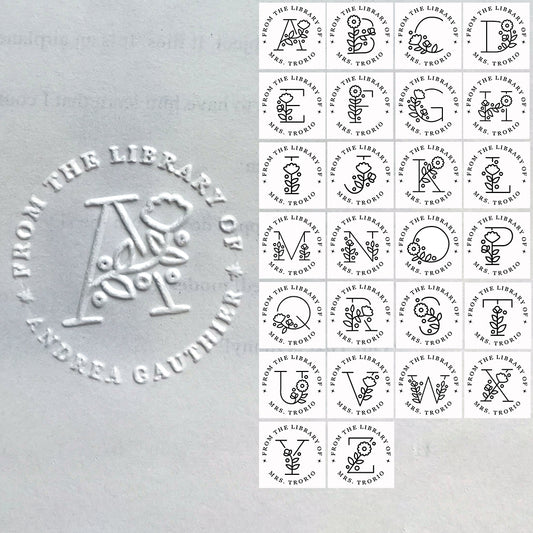
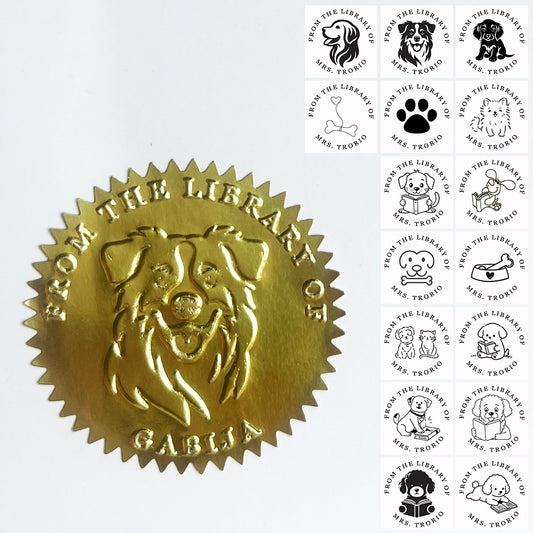
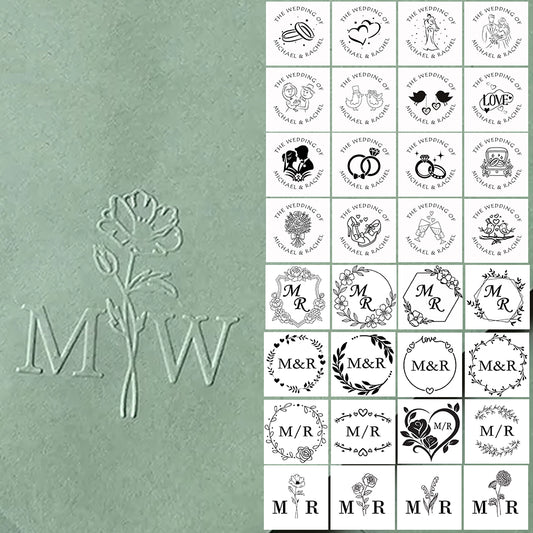
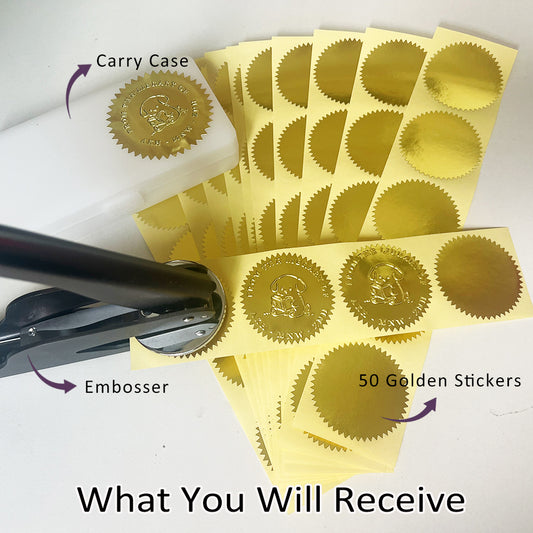
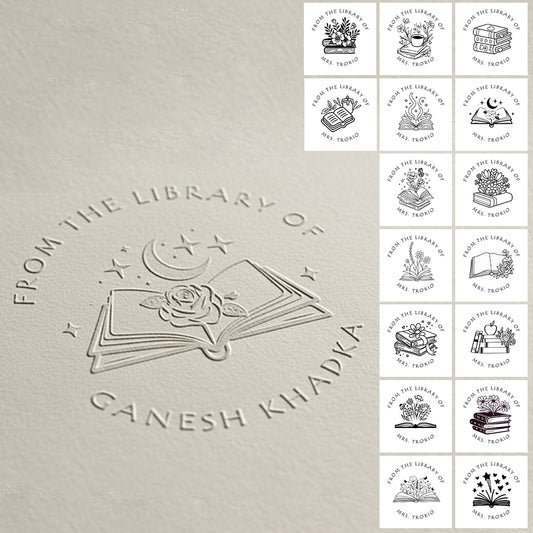
A custom embossing seal is a common type of embossed stamp, which many people see on graduation certificates. This type of stamp has two molds, an upper concave mold and a lower convex mold. The imprint has a raised and recessed feel, making it difficult to counterfeit, and is often used for important documents and certificates.
Date Stamp
A date stamp, also known as a number stamp, has a unique stamp frame structure that allows for changing numbers or dates. It is suitable for bank stamps, inspection stamps, and other stamps that require changing dates or numbers.
Red Rubber Stamp
Red rubber stamps are easy to use, provide clear imprints, and are suitable for various departmental stamps, such as invoice stamps and contract stamps. However, they are prone to errors due to changes in their properties and are not suitable for bank stamps.
How to choose the right stamp?
When choosing a stamp, consider the following factors:
Frequency of use: For frequent use, durable stamps such as self-inking stamps and pre-inked stamps are suitable; for infrequent use, rubber stamps or self-inking stamps can be considered.
Usage scenario: Formal legal documents are best suited for brass or steel stamps; for daily office use, photosensitive stamps or pre-inked stamps are good options.
Portability requirements: Stamps that need to be carried frequently should be lightweight, such as pre-inked stamps or self-inking brass stamps.
Budget considerations: The price of stamps varies greatly depending on the material. Horn stamps and Satsuma boxwood stamps are high-end options, while rubber stamps and self-inking stamps are more economical.
Maintenance requirements: Some stamps require specific brands of ink and maintenance, such as photosensitive stamps; while brass stamps and embossing seals require almost no maintenance.
Conclusion
Modern seals come in a wide variety of types, from traditional bronze and horn seals to high-tech self-inking and atomic seals. Each type has its unique characteristics and applications. Understanding the differences and advantages of these seals can help us choose the most suitable sealing tool for different occasions. Whether for legal documents, business contracts, or daily office work, choosing the right seal can not only improve efficiency but also enhance the formality and authority of documents.
With the advancement of technology, seal-making techniques are also constantly innovating. In the future, we may see more seal products that combine traditional craftsmanship with modern technology, preserving the cultural heritage of seals while meeting the diverse needs of modern society.