Does a Book Embosser Need Ink?

Does a book embosser need ink?
How Personalized Embossers Works:
Pressure, Not Ink: An embosser uses a custom-made metal die (a stamp with raised lettering or a design).
The Process: The die is pressed with significant force into the paper or book cover.
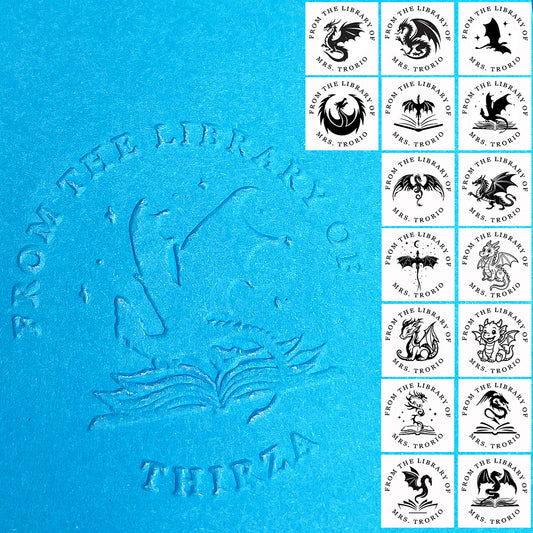
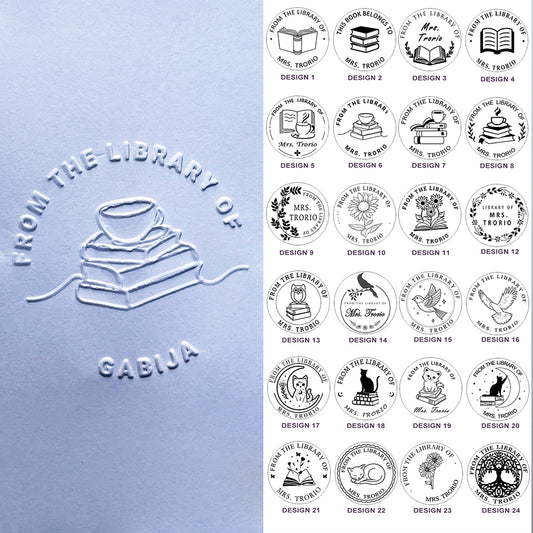
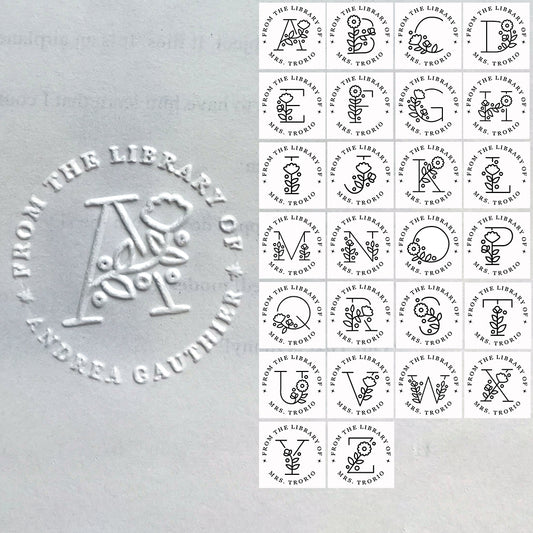
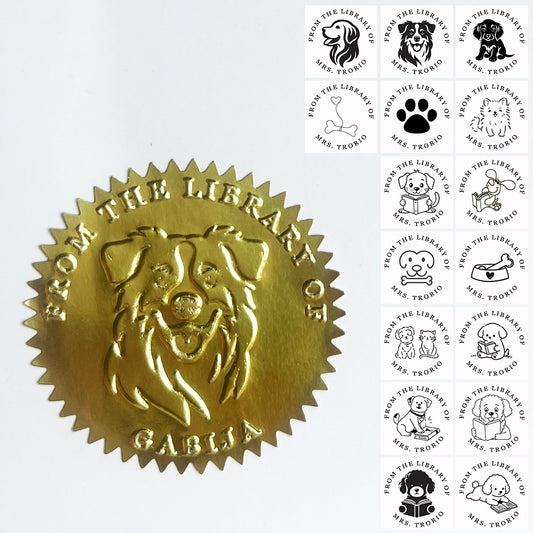
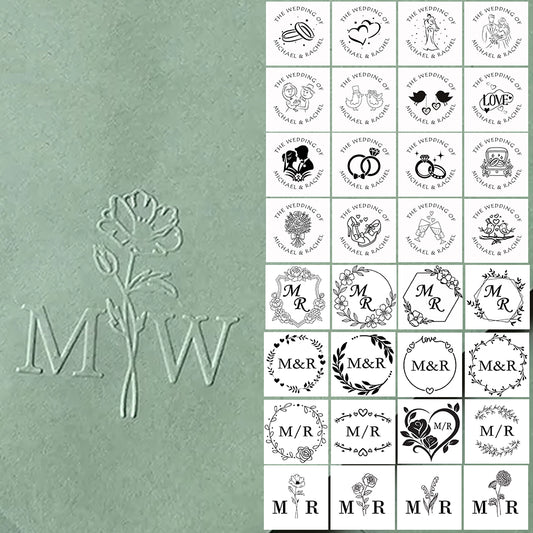
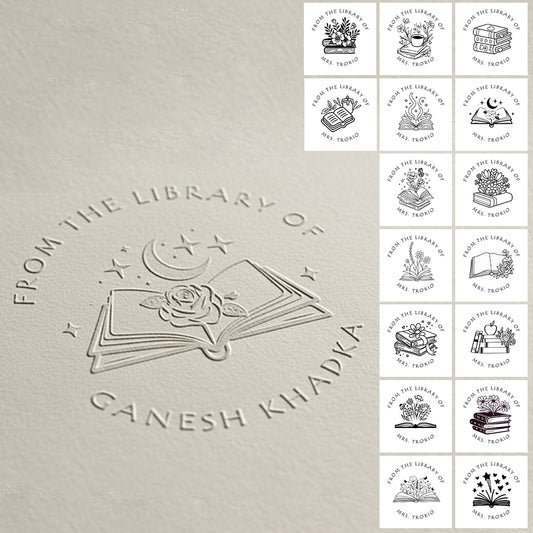
The Result: This force displaces the fibers of the paper, creating a permanent, raised (debossed or embossed) impression. The design can be felt as a textured, three-dimensional mark.
Key Characteristics:
Tactile: The impression is raised (or recessed) and can be felt by touch.
Monochrome: It takes on the color of the paper itself. For example, on a white page, the embossed letters will be a shiny or shadowed white.
Permanent: It physically alters the paper, so it cannot smudge or fade like ink.
Common Uses: Personalizing book covers, creating official seals on certificates, adding elegant logos to stationery, or marking library property.
Quick Comparison:
| Feature | Book Embosser | Ink Stamp |
|---|---|---|
| Medium | Pressure & a metal die | Liquid ink |
| Result | Raised or recessed 3D impression | Flat, colored mark on the surface |
| Color | Same as the paper (monochrome) | Can be any color |
| Feel | Textured and tactile | Smooth |
In summary: A standard custom library embosser stamp creates a permanent, elegant impression through physical pressure alone, requiring no ink or supplies other than the paper itself.